MiCA Compliance: How EU Rules Reshape Crypto Casino Operations
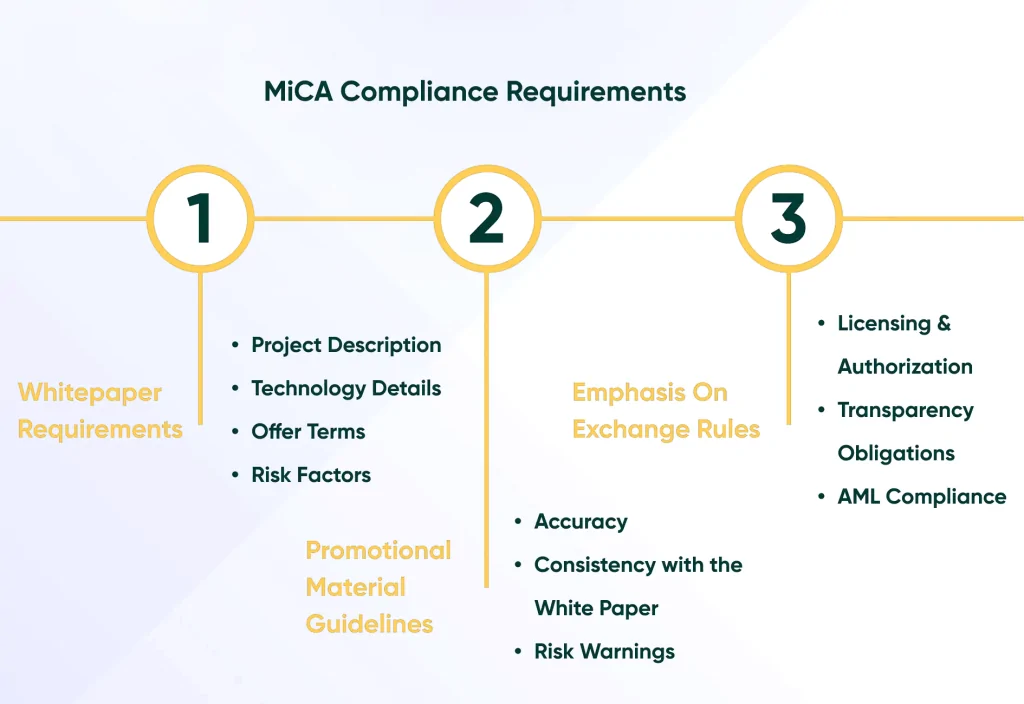
The intersection of cryptocurrency and online gambling has long been a frontier of innovation and, at times, regulatory ambiguity. For international crypto casinos catering to players from jurisdictions like the United Kingdom, Canada, and Australia, operational complexity is a constant. However, a seismic shift is underway with the full implementation of the European Union’s Markets in Crypto-Assets (MiCA) regulation. While MiCA directly targets crypto-asset service providers (CASPs), its ripple effects are fundamentally reshaping how crypto casinos must structure their most critical operations: custody of player funds and the payment rails that deposit and withdraw them. The end of the EU’s transitional period for MiCA compliance looms, forcing a global industry to adapt to a new standard of security and transparency.
The MiCA Mandate: A New Rulebook for Crypto Services
Markets in Crypto-Assets regulation is not a gambling law; it is a comprehensive framework for regulating issuers and service providers of crypto-assets within the EU. For crypto casinos, the crucial link is that they rely on third-party providers for wallets, exchanges, and payment processing—entities that are squarely in MiCA’s crosshairs. The regulation demands rigorous authorization for any CASP offering services in the EU, encompassing stringent requirements on capital reserves, governance, custody safeguards, and consumer protection. As the deadline for full compliance approaches, non-compliant providers face being locked out of the vast EU market. This creates an urgent domino effect for the international crypto gambling operators who depend on these services to function.
Why Custody Providers Are Under the Microscope
At the heart of MiCA’s consumer protection ethos is the security of client assets. The regulation imposes strict “custody and administration of crypto-assets” requirements. Providers like Ledger Enterprise or Fireblocks, often used by platforms for secure asset storage, must now prove segregation of client funds, robust internal controls, and insurance against theft or loss. For a player depositing Ethereum to play a round of Book of Dead from Play’n GO or wagering Bitcoin on a live blackjack table from Evolution Gaming, this translates to a higher assurance that their funds are ring-fenced and protected. Casinos can no longer afford to partner with opaque or unregulated custody solutions; they must vet their partners for a MiCA license or equivalent stringent jurisdiction.
The Payment Gateway Pivot
The flow of funds into and out of a casino is its lifeblood. Payment providers specializing in crypto transactions, such as those facilitating instant conversions between fiat and digital assets, are also classified as CASPs under MiCA. This means services that allow a Canadian player to fund an account using CAD and receive it as Bitcoin, or a UK player to cash out winnings from a Pragmatic Play slot directly to a USDT wallet, must be MiCA-compliant. Operators are now compelled to audit their payment stacks, potentially moving away from familiar but unregulated gateways to those with a clear path to EU authorization. This shift may impact processing speeds and available currencies but introduces a new layer of legal certainty and fraud prevention.
Operational Overhaul for International Crypto Casinos

For an international brand serving a global player base that includes EU residents, the path to MiCA alignment is not optional. The operational changes are profound and touch every aspect of the financial backend. Operators must initiate a comprehensive review of their entire vendor ecosystem, from the wallets holding cold storage reserves to the APIs handling daily transactions. This due diligence process is becoming a top priority for CTOs and compliance officers at platforms like Stake.com or BC.Game as they navigate this new landscape. The goal is to ensure seamless service for players worldwide while adhering to the strictest new standard on the block.
Vetting and Onboarding Compliant Partners
The first strategic move is partner vetting. Casinos must proactively engage with their custody and payment providers to obtain clear evidence of their MiCA compliance strategy or existing authorization. This may involve requesting audit reports, proof of capital adequacy, and detailed descriptions of their custody architecture. For smaller or newer casinos, this might mean transitioning to larger, more established financial infrastructure partners who have the resources to secure a MiCA license. The partnership with a provider like CoinPayments or CoinsPaid, for instance, takes on new significance if they are among the first wave of authorized CASPs.
Transparency and Communication with Players
Operational changes behind the scenes must be communicated effectively to maintain player trust. International players, particularly those participating in high-profile events like the World Series of Poker online satellites or betting on Counter-Strike 2 majors with crypto, need clarity. Casinos should update their terms of service and publish informational blogs or FAQs explaining how MiCA enhances the security of their deposits. They might highlight features like improved proof-of-reserves or the use of licensed custody partners. This transparent communication turns a regulatory challenge into a trust-building opportunity, differentiating compliant casinos in a competitive market.
Strategic Advantages of Early MiCA Adoption
While the compliance journey requires investment and effort, forward-thinking operators are identifying strategic advantages. Positioning a brand as “MiCA-compliant” or “MiCA-ready” becomes a powerful marketing tool, especially for attracting savvy players from regulated markets who prioritize security. Furthermore, aligning with regulated CASPs can improve banking relationships and reduce the risk of payment interruptions, which are common pain points in crypto gambling. Ultimately, the regulation acts as a filter, weeding out less reputable operators and solidifying the market position of those who invest in compliance.
Future-Proofing the Payment Mix
A key actionable strategy is to future-proof the casino’s payment mix. This involves not just relying on one or two payment providers but building a resilient network of several MiCA-compliant or similarly regulated options. This ensures redundancy if a provider encounters issues and offers players flexibility. Operators might also explore integrating more blockchain-native payment methods that offer transparency, though these too must be evaluated through the MiCA lens if they involve third-party service elements.
Building a Culture of Compliance
The most significant shift may be cultural. Crypto casinos, born in a space of decentralization, must now embed traditional finance’s compliance rigor into their DNA. This means appointing dedicated compliance staff, conducting regular third-party audits, and maintaining meticulous records of all financial partnerships. This internal culture not only satisfies MiCA’s indirect requirements but also prepares the operator for increased scrutiny from other international regulators, from the UK’s Gambling Commission to the Malta Gaming Authority.
As the industry adapts, the paramount importance of responsible gambling remains unchanged. Players should always gamble with funds they can afford to lose, set strict deposit and time limits, and utilize the self-exclusion tools offered by reputable platforms. The enhanced security brought by regulations like MiCA should provide a safer environment, but it does not alter the fundamental risks of gambling. Always play responsibly and seek help if gambling ceases to be a form of entertainment.
